Plastic Bags and Nylon Products
Date
Nov. 15, 2026, 4:59 p.m.
Categories
Plastic Bags and Nylon Products: Types, Materials, Applications, and Benefits
Plastic Bags and Nylon Products: Types, Materials, Applications, and Benefits
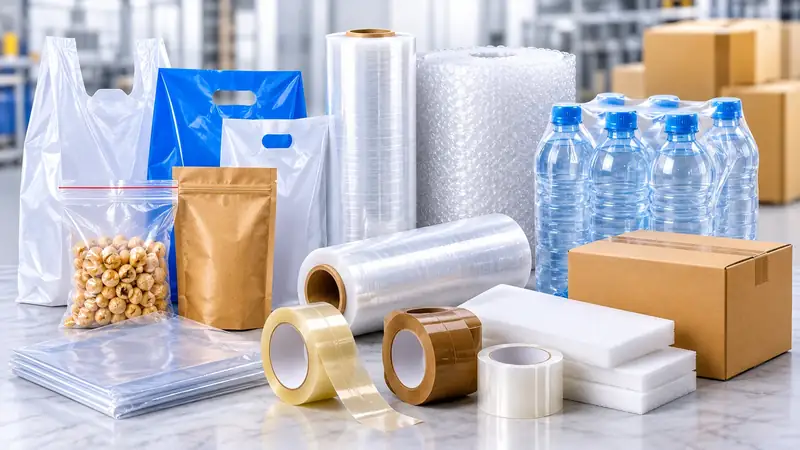
Plastic bags and flexible plastic products are widely used in retail, manufacturing, agriculture, food packaging, and transportation. Their lightweight structure, flexibility, durability, and versatility make them practical packaging solutions for businesses across different industries.
From shopping bags and garbage bags to industrial plastic films and protective covers, these products are manufactured in different materials, sizes, thicknesses, and designs to meet specific packaging requirements.
In this guide, we explore the main types of plastic bags and nylon products, their materials, applications, advantages, and how to choose the right option for your business.
1. What Are Plastic Bags and Nylon Products?
Plastic bags are flexible packaging products manufactured from polymer materials. They are designed to carry, store, protect, and transport different types of goods.
In some markets, particularly in everyday commercial language, the term "nylon" is commonly used to describe plastic bags and polyethylene packaging films. However, technically, nylon is a type of polyamide (PA), while many conventional shopping bags and packaging films are made from polyethylene (PE).
Understanding this distinction is important when selecting packaging materials because each polymer has different mechanical and physical properties.
2. Common Types of Plastic Bags
Plastic bags are available in various designs and structures. Each type is developed for particular applications.
Shopping Bags
Shopping bags are commonly used in supermarkets, retail stores, clothing shops, and other commercial environments.
They are available in different designs, including:
-
T-shirt bags
-
Die-cut handle bags
-
Loop handle bags
-
Side-gusseted shopping bags
Shopping bags can be manufactured in different thicknesses, colors, and dimensions depending on the intended use.
Garbage Bags
Garbage bags are designed for collecting, storing, and disposing of household, commercial, and industrial waste.
Common types include:
-
Household garbage bags
-
Heavy-duty garbage bags
-
Drawstring garbage bags
-
Roll garbage bags
-
Industrial waste bags
Their strength, thickness, and puncture resistance are important factors when selecting the appropriate product.
Ziplock Bags
Ziplock bags feature a resealable closure that allows users to open and close the packaging multiple times.
They are commonly used for:
-
Food storage
-
Small components
-
Jewelry and accessories
-
Electronic parts
-
Household organization
These bags offer convenience and help protect their contents from dust and external contamination.
Industrial Plastic Bags
Industrial plastic bags are manufactured for demanding applications in factories, warehouses, agriculture, and commercial operations.
They are often available in larger sizes and higher thicknesses to accommodate heavy or bulky products.
Common applications include:
-
Packaging raw materials
-
Storing industrial components
-
Transporting manufactured goods
-
Packaging agricultural products
-
Protecting products during storage
3. Types of Nylon and Plastic Films
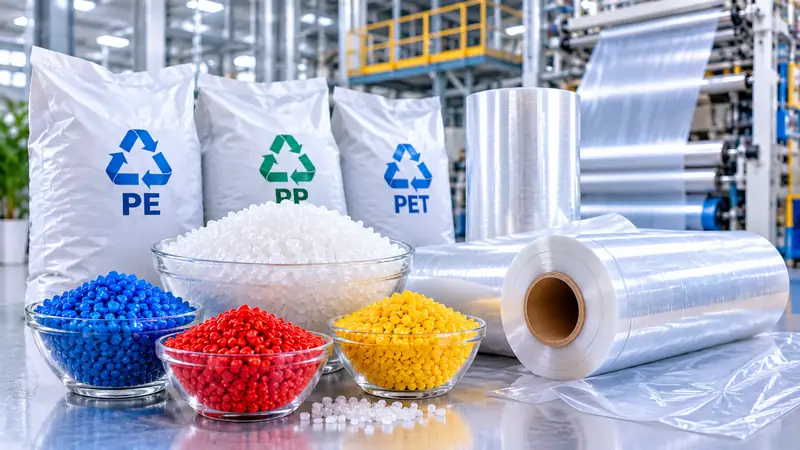
Flexible plastic films are essential components of modern packaging. They are manufactured using different polymers and production methods.
Polyethylene (PE) Film
Polyethylene is one of the most widely used materials in flexible plastic packaging.
Its main characteristics include:
-
Good flexibility
-
Lightweight construction
-
Moisture resistance
-
Good impact resistance
-
Versatile processing properties
PE films are commonly used for shopping bags, garbage bags, packaging films, agricultural covers, and industrial plastic bags.
High-Density Polyethylene (HDPE)
HDPE is known for its relatively high strength-to-density ratio and stiffness.
It is frequently used in:
-
Supermarket shopping bags
-
Lightweight carrier bags
-
Garbage bags
-
Industrial packaging
HDPE bags can provide good strength while using relatively little material.
Low-Density Polyethylene (LDPE)
LDPE is more flexible and generally softer than HDPE.
Its common applications include:
-
Flexible packaging bags
-
Protective plastic covers
-
Stretchable packaging applications
-
Plastic liners
-
Packaging films
Linear Low-Density Polyethylene (LLDPE)
LLDPE offers good tensile strength, flexibility, and puncture resistance.
It is commonly used in:
-
Stretch film
-
Heavy-duty garbage bags
-
Industrial liners
-
Flexible packaging products
Polypropylene (PP)
Polypropylene is another important polymer used in packaging manufacturing.
It offers good stiffness, clarity in suitable film grades, and resistance to many chemicals.
Common applications include:
-
Packaging bags
-
Product wrapping
-
Food packaging films
-
Retail packaging
4. Key Applications of Plastic Bags and Nylon Products
Plastic bags and flexible films serve a wide range of industries.
| Industry | Common Products | Main Applications |
|---|---|---|
| Retail | Shopping bags | Carrying purchased goods |
| Food Industry | Food packaging bags and films | Product storage and packaging |
| Agriculture | Agricultural plastic films | Crop protection and greenhouse applications |
| Manufacturing | Industrial plastic bags | Packaging raw materials and components |
| Logistics | Stretch film and protective bags | Securing and transporting goods |
| Household | Garbage bags and storage bags | Waste collection and organization |
| Construction | Heavy-duty plastic sheets | Covering and protecting materials |
The versatility of plastic packaging makes it suitable for businesses with different production and distribution requirements.
5. Advantages of Plastic Bags and Flexible Packaging
Plastic bags remain widely used because they offer several practical benefits.
Lightweight: Plastic bags are easy to handle and transport. Their low weight can help reduce packaging and shipping costs.
Flexibility: Different shapes, sizes, and thicknesses can be produced to accommodate a wide range of products.
Moisture Resistance: Many plastic materials provide effective protection against moisture and water exposure.
Durability: Depending on the polymer and thickness, plastic bags can offer good resistance to tearing, stretching, and puncturing.
Cost Efficiency: Plastic packaging can be produced in large quantities, making it an economical option for many commercial applications.
Customization: Businesses can choose different colors, dimensions, thicknesses, printing options, and handle designs.
6. How to Choose the Right Plastic Bag
Selecting the appropriate plastic bag depends on the product, intended application, and packaging requirements.
Consider these important factors:
Material Type
Choose the polymer based on the required flexibility, strength, transparency, and resistance properties.
For example, HDPE is commonly used for lightweight shopping bags, while LDPE and LLDPE are suitable for applications requiring greater flexibility.
Thickness and Strength
The thickness of a plastic bag is often measured in microns. Heavier products generally require stronger materials and appropriate thickness.
However, thickness alone does not determine performance. Polymer quality, bag design, and manufacturing conditions also affect durability.
Size and Dimensions
The bag should provide enough space for the product without unnecessary material consumption.
Consider width, length, gusset dimensions, and handle design when selecting shopping and packaging bags.
Intended Application
A shopping bag, garbage bag, and industrial liner have different performance requirements. Selecting a product designed for its intended use improves efficiency and reduces the risk of packaging failure.
Printing and Customization
Custom printing can help businesses display their brand identity, product information, and promotional messages.
Packaging manufacturers may offer different printing techniques, colors, and customized dimensions depending on production capabilities.
7. Sustainable Alternatives and Responsible Plastic Packaging
Environmental considerations are becoming increasingly important in the plastic packaging industry.
Businesses can explore several approaches to reduce the environmental impact of packaging:
-
Using recyclable plastic materials where appropriate recycling systems are available
-
Incorporating recycled content when product specifications and regulations allow
-
Reducing unnecessary packaging thickness and material consumption
-
Developing reusable packaging solutions
-
Improving manufacturing efficiency to minimize production waste
-
Selecting materials compatible with local recycling infrastructure
The most suitable option depends on the product, applicable regulations, and available waste management systems.
8. Why Quality Matters in Plastic Bag Manufacturing
The quality of plastic bags depends on several production factors, including raw material selection, film extrusion, thickness control, sealing quality, and manufacturing consistency.
A reliable plastic packaging product should meet the required specifications for:
-
Material composition
-
Thickness and dimensions
-
Tensile strength
-
Sealing performance
-
Appearance and surface quality
-
Intended packaging application
For businesses purchasing packaging in large quantities, consistent product quality can help reduce operational problems and improve packaging efficiency.
Conclusion
Plastic bags and nylon products are essential packaging solutions for retail, manufacturing, agriculture, food distribution, and many other industries.
From shopping bags and garbage bags to industrial plastic liners and flexible packaging films, each product offers specific advantages depending on its material, design, and intended application.
Understanding the differences between HDPE, LDPE, LLDPE, and PP helps businesses make better purchasing decisions and select packaging products that meet their performance, quality, and budget requirements.
Choosing the right packaging manufacturer and material is an important step toward achieving reliable, cost-effective, and efficient packaging operations.